Septic System Replacement in Rochester, MN
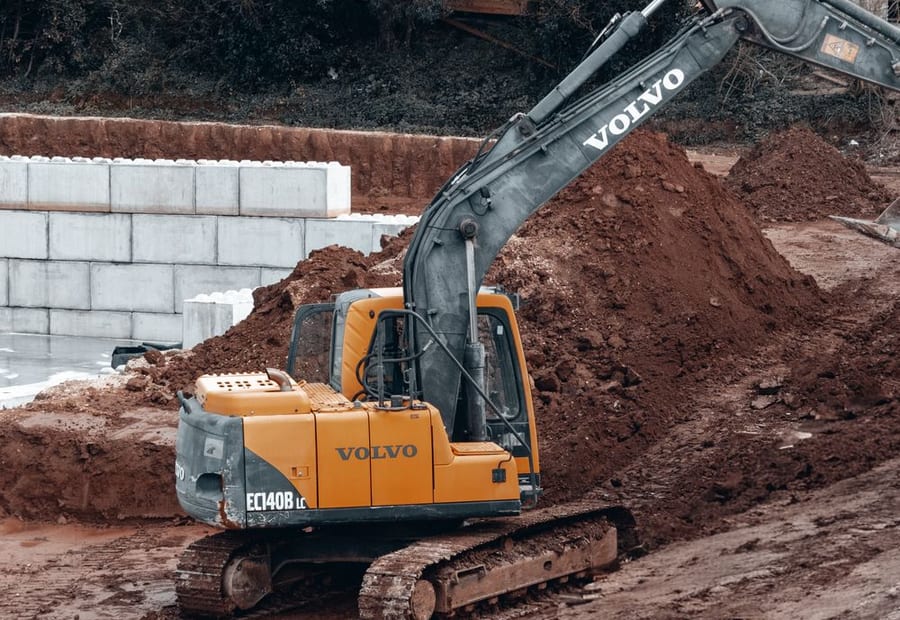
A failed septic system is the second reason people in Olmsted County call us, and it is usually the more urgent one. Rochester Septic replaces failed and failing systems across Rochester, Byron, Stewartville, and the surrounding towns, from a saturated drainfield to a county-ordered replacement to a system that flunked an inspection at sale. We are an MPCA certified SSTS installer, and a replacement follows the same honest order as a new system: read the soil, design to it, permit it, build it.
A drainfield fails because it wears out. Year after year a biological mat builds along the trench walls until the soil can no longer take water at the rate the house makes it, and the field saturates and backs up. On this county's thin soil over shallow rock, a field that never had much clean separation to begin with goes over the edge sooner. Once a field has sealed it does not come back, so the job is not to nurse it but to build a new treatment area that will actually last.
Why the Replacement Is Often a Mound
Here is the part owners do not expect. If the old field failed in part because the bedrock or the water table was always too close, a new buried field in that same ground will fail the same way, so the code will not permit it. A fresh soil evaluation on a replacement often shows too little separation above the rock for a buried trench, which moves the replacement to a mound or a shallow pressure system. That is why a failed system on karst ground frequently becomes a mound: not to sell you more, but because the buried option is no longer legal or durable there. Karst adds urgency, too, because a failing field over fractured rock can send poorly treated wastewater toward the aquifer fast.
When the County Is Involved
Many replacements start with an Olmsted County notice after a failed inspection or a point-of-sale evaluation. Those notices give you a window to correct the system, and the clock matters. The first step is still the soil and site evaluation, because it decides what the replacement can be, and the permit flows from it. We handle the county end, submit the evaluation and the design, and get a permitted replacement in place inside the window so the notice closes out cleanly.
What We Reuse and What We Do Not
A sound, watertight tank of the right size can sometimes stay, which trims the cost, but the drainfield that failed always gets replaced and an old tank often gets replaced once it is uncovered and checked. We look at what is actually in the ground, test the tank, and keep only what has real life left. If your yard is wet, your drains are slow, or the county has sent a letter, call (507) 555-0148 and we will get the ground read and a plan in front of you.
How can I tell my septic has truly failed and not just backed up once?
The usual tells are wet, spongy ground or bright green strips over the drainfield, slow drains and gurgling indoors, a sewage smell in the yard, or backups into the lowest fixtures. Sometimes there is no odor and no backup at all, just a field that has quietly quit taking water and surfaces on an inspection when you go to sell. Any of those means the treatment area has lost its capacity to absorb, and once a field is saturated it does not heal on its own. It gets replaced.
What made my old drainfield quit?
Most fields simply wear out. Year over year a biomat builds along the trench walls until the soil can no longer take water at the pace the house makes it, and the field saturates. A field that always sat too close to shallow rock or a high water table gives out sooner, which is common on this county's ground. Age, overloading, and thin soil over rock all pull the same way, and a field that has sealed cannot be unsealed. The cure is a new treatment area, and on many of these lots that area is a mound.
Will a failed in-ground field be replaced with a mound?
Frequently, yes. When the old field died partly because the rock or the water table was always too near, a fresh buried field in that same ground fails the same way. The county permits a replacement off a new soil evaluation, and if that evaluation shows too little separation above the rock, the replacement has to be a mound or a shallow pressure system rather than another trench. We read the ground first and tell you straight whether a like-for-like field will pass or whether the lot has pushed you to a mound.
Olmsted County mailed me a septic notice. What is the first move?
A county notice usually follows a failed inspection or a point-of-sale evaluation and gives you a window to fix the system. Do not sit on the clock, but do not panic-hire either. The real first step is a soil and site evaluation, because it decides what the replacement can be and the permit flows from it. We work with Olmsted County, file the evaluation and the design, and land a permitted replacement inside the window. Bring us the notice and we will tell you what it actually demands.
Is any of my old system worth keeping?
A tank that is sound, watertight, and the right size can sometimes stay put and trim the cost. The drainfield that failed always comes out, and an aging tank often gets swapped once it is dug up and checked. We read what is in the ground, test the tank, and keep only the pieces with genuine life left rather than pulling good hardware for the sake of it. The evaluation and the dig show us what is worth saving.